
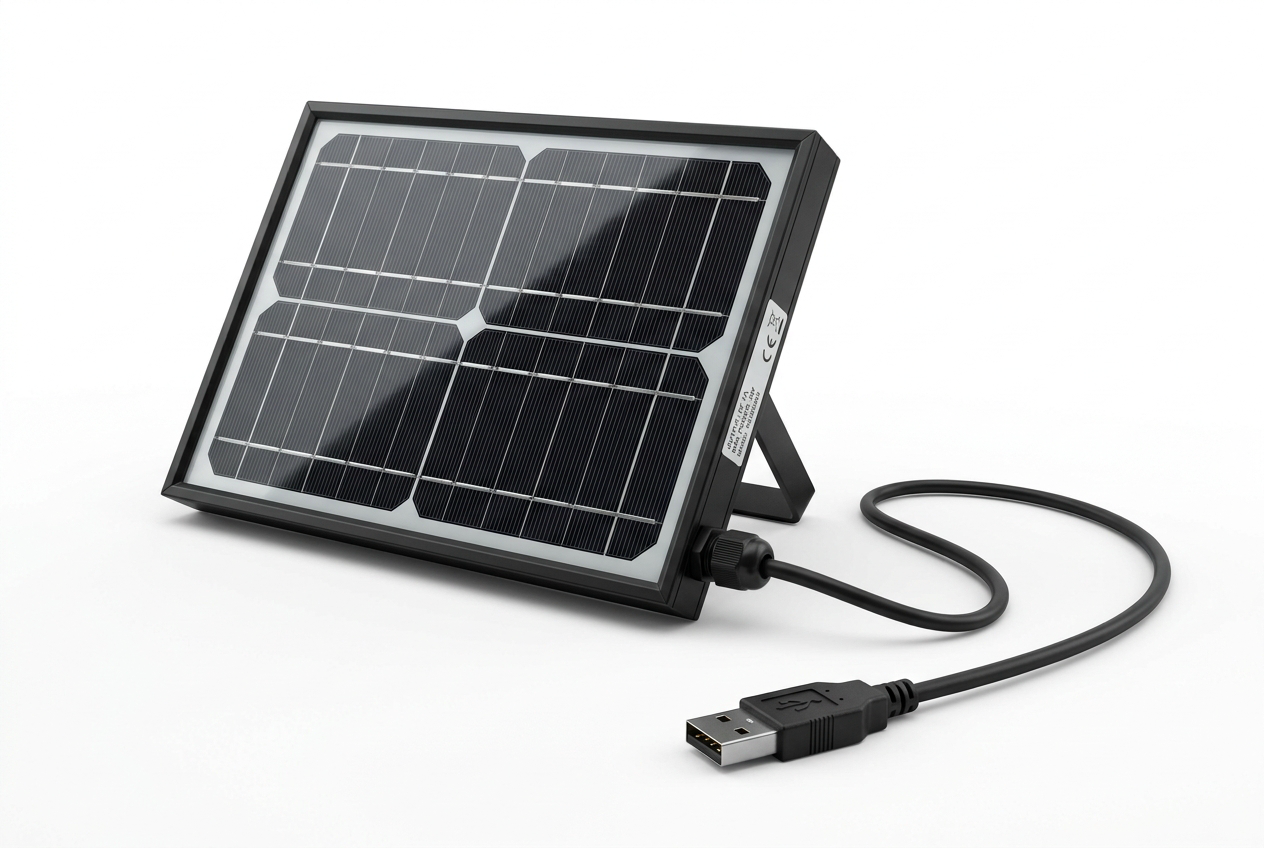
What Plug-In Solar Actually Is
Plug-in solar usually refers to a small solar panel kit that connects to a home through a standard plug rather than being professionally wired into your consumer unit as part of a full solar installation. You may also see it described as balcony solar, portable solar or a mini solar kit. These systems are designed to be entry-level products, typically with one or two panels and a small inverter.
The idea is simple: the panels generate electricity in daylight, the inverter converts it into usable power, and that energy is then fed into your home to reduce how much electricity you import from the grid. On paper, it sounds convenient. In practice, it is very different from a properly specified rooftop system installed by professionals. If you are comparing your options, it is worth looking at our solar services to understand what a full home system involves.
How It Works In A Home
A plug-in solar kit generates electricity when sunlight hits the panels. That power passes through a microinverter or small inverter, which converts DC electricity into AC electricity for household use. The aim is for your home to use that electricity first, helping to offset part of your daytime demand from appliances such as your fridge, broadband router or other background loads.
Because these systems are small, they are not designed to power an entire home. They usually make the biggest difference when there is a steady daytime base load to absorb the electricity as it is generated. In Scotland, output will also vary with roof or balcony position, shading, season and weather. That means performance can be modest, especially in winter or on poorly oriented sites.
Unlike a full solar PV system, plug-in solar is not a complete route to converting your home to solar. It is better thought of as a limited, entry-level product rather than a full energy upgrade.
Benefits And Limitations
There are a few reasons why plug-in solar attracts attention. It can appear cheaper upfront than a full solar installation, it may feel less complicated, and it can appeal to homeowners who want to test the idea of solar before making a bigger investment. For some people, that low-commitment starting point is the main attraction.
However, the limitations are significant. Output is relatively low, so savings are usually modest. These kits are not professionally designed around your home's energy use, roof layout or electrical setup. They also do not offer the same long-term performance, scalability or integration you would expect from a properly installed system. If your goal is meaningful savings, better energy independence or future battery storage, a full system is usually the more viable route. You can also explore whether a battery-backed setup might suit your property on our battery storage page.
In short, plug-in solar may sound simple, but it is not the answer for most households looking to make a serious switch to solar power.
Is It Legal And Safe?
This is the key question for UK homeowners. At present, plug-in solar products of the type commonly marketed abroad are not currently legal for normal domestic use in the UK in the way they are often advertised, unless regulations change to permit their sale and use more widely. That is an important point, because many homeowners assume that if a product is available online, it must be suitable for use here. That is not always the case.
There are also safety considerations. A standard home solar installation in the UK is designed, installed and tested to work safely with your property's electrical system. Plug-in products do not go through that same professional installation process, and that raises concerns around compliance, protection and suitability. Your installer should always assess the property, the consumer unit, cabling and system design before any solar equipment is connected.
If you already have concerns about an existing system or want advice on whether your home is suitable for solar, our home energy health-check is a sensible next step.
Costs, Savings And Payback
The upfront cost of plug-in solar can look appealing because the systems are small and marketed as easy to buy. But lower cost does not automatically mean better value. Because generation is limited, the amount you can save is also limited. For many homes, the payback period may not be especially attractive once you compare the modest output against the purchase price.
By contrast, a professionally installed solar system is designed to deliver stronger long-term performance. It can be sized to your home, positioned for better generation and, where appropriate, paired with battery storage to improve how much of your own electricity you use. That tends to make it a more realistic option for homeowners who want meaningful savings over time rather than a small reduction in daytime usage.
Every property is different, so it is worth getting tailored advice rather than relying on generic product claims. You can get a solar quote if you want to compare a proper installation against entry-level alternatives.
Who It Suits Best
Plug-in solar may appeal most to people who are simply curious about solar and want to understand the basics of self-generation. It can also catch the eye of homeowners looking for the cheapest possible entry point. But even then, the current UK legal and compliance position means it is not a straightforward recommendation.
For most Scottish homeowners, a full solar assessment is the better place to start. That gives you a clearer picture of what your roof can support, how much electricity you could generate, and whether solar panels or battery storage would genuinely suit your home. If your aim is to lower bills, improve energy resilience and install something safe and durable, professionally installed solar is the stronger option.
Next Steps For A Quote
If you have been looking at plug-in solar, the important thing is not to assume it is the best or only route into solar. It is an entry-level concept with clear limitations, and in the UK it also comes with legal and safety concerns that should not be ignored.
If you want a practical view of what is actually viable for your home in Scotland, we recommend speaking to a professional installer. We can help you understand your options, assess your property properly and explain what a safe, compliant solar setup could look like. To take the next step, you can request a free quote, explore our solar services, or contact us for straightforward advice.