Yes, If The System Can Take One
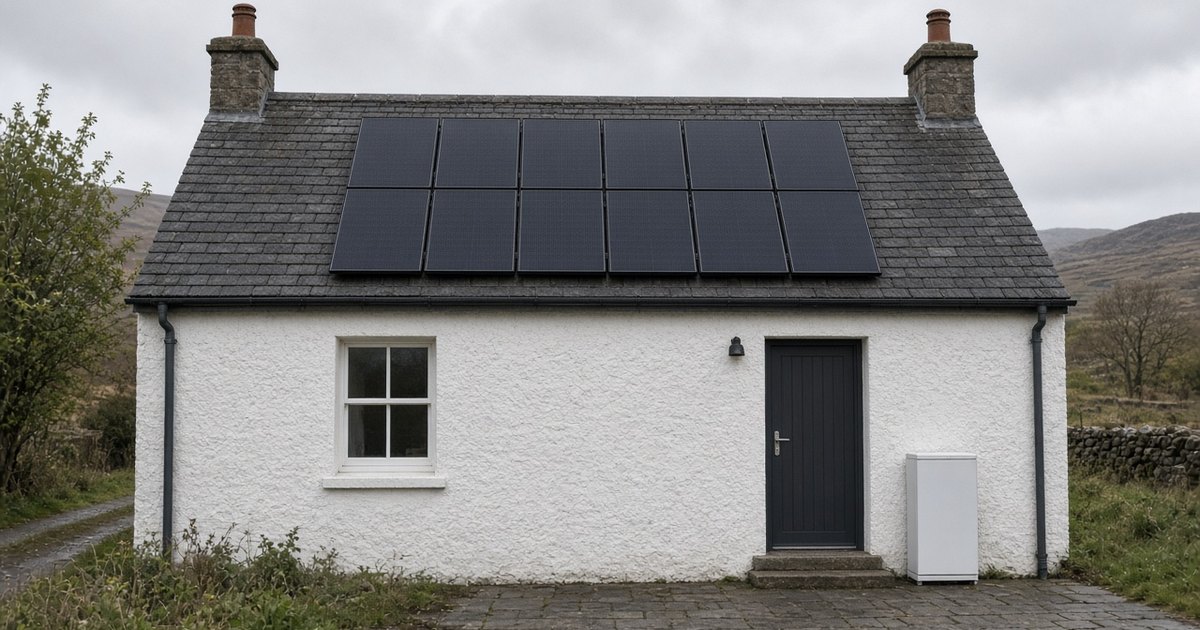
Can I add a battery to my existing solar panels? Often, yes. An array that is already on the roof can usually take storage if the inverter arrangement and the consumer unit can accept it, and if there is a sensible place for the cabinet. We do this across Scotland, including on systems we did not install. The panels you already have do not have to come off just because you now want to keep surplus for later.
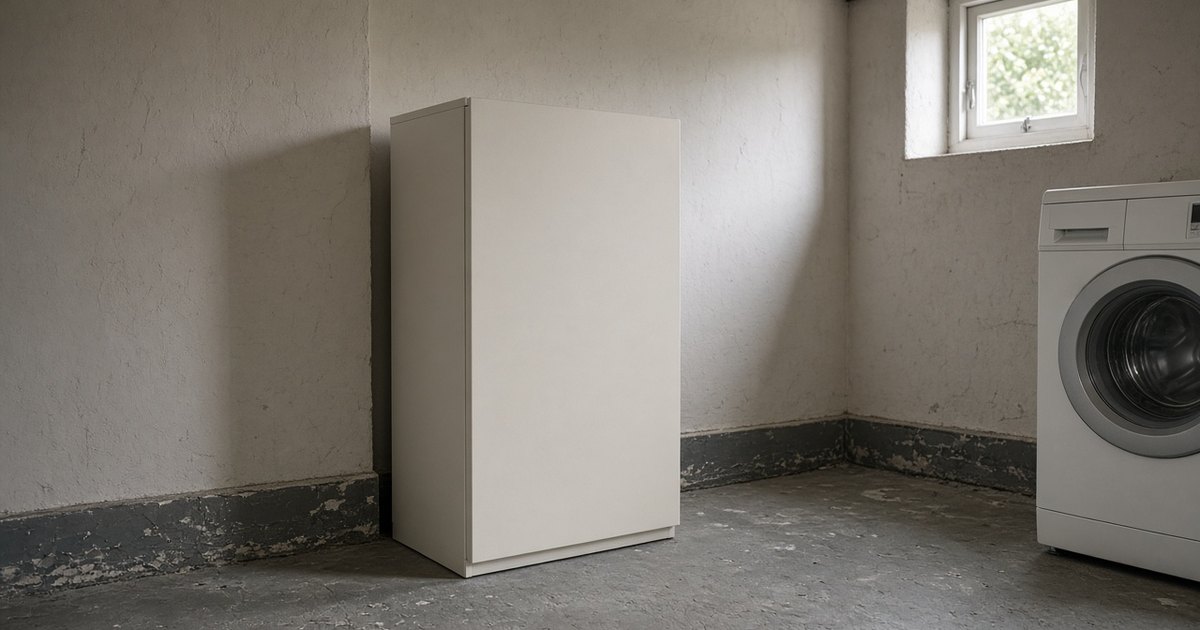
It is also a real electrical job, and some systems will have to wait. An older inverter may only turn panel power into mains power for the house and for export, with no path for a battery. The consumer unit may be full. The cable route may be awkward. The wall you had in mind may be too tight, too damp, or too far from the existing kit. Those checks decide the job. They are the reason we look before we recommend a cabinet.
What We Check On An Existing Array
On an existing array we look at the inverter you have, the size of the array, the space in the consumer unit, and a place the cabinet can live. Many people still call the consumer unit the fuse board. We also ask how the evening runs, because storage on a house that already uses its solar in the day is a different recommendation from storage on a house that exports all afternoon and buys all evening. The panels stay. The question is how to join a battery to them in a way that is safe and useful.
Age of the system changes the parts list. Early domestic arrays were often fitted with a simple inverter and little thought of storage. Newer arrays may already have a hybrid inverter with a battery connection left spare. We can work on either, and the route is different. Where the network operator needs to know about the battery, we handle that registration as part of the work. If you are unsure what is on the wall, that is a normal place to start. You do not need to identify every box before we visit.
Hybrid Inverter Or A Separate Battery
There are two broad ways to add storage. One uses a hybrid inverter, which can manage the panels and a battery together. Our new solar package includes a hybrid inverter for that reason. On a retrofit, if the present inverter has no battery path, the design may replace it with a hybrid, or use a battery that brings its own inverter. The survey matches the inverter to the battery. We do not leave that pairing as a guess after the visit.
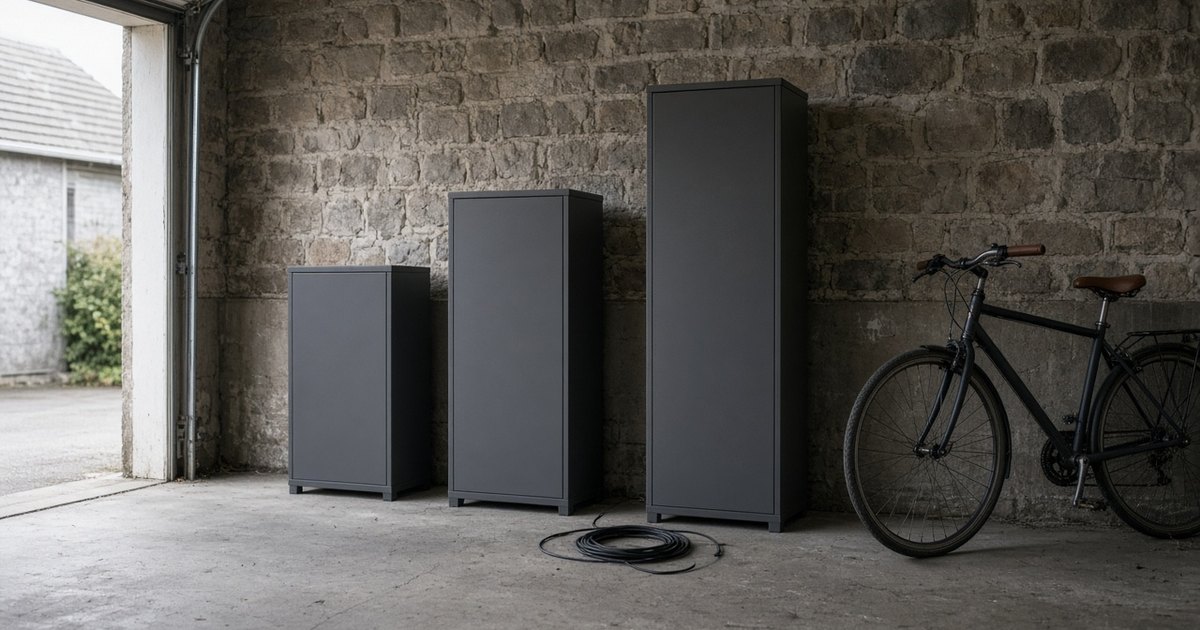
A Sigenergy 10 kWh includes its hybrid inverter, so the retrofit can arrive as a paired set. A Tesla Powerwall 3 is all-in-one, with the inverter built in, which can suit a wall where an older inverter is ready to come out of the design. A Duracell 5 kWh is matched to a suitable inverter when we specify it. We pair it at the design. We do not ask you to hunt for an inverter model in a brochure. The visit is what picks the pairing that the existing array can actually support.
Which Of Our Batteries Can Be Retrofitted
All three can be considered on a retrofit where the house allows it. A Duracell 5 kWh suits a smaller evening and can take another unit later if you want to grow. A Sigenergy 10 kWh suits a mid-size evening and brings the hybrid inverter with it. A Tesla Powerwall 3 suits a larger evening in a single cabinet. Which of those matches your usage is the same question as on a new install, and we have set it out in which solar battery to get.
What changes on a retrofit is the starting point. We have to respect the array, the cable routes, and the consumer unit you already have. Sometimes that points clearly at one battery. Sometimes two would fit, and the evening load picks between them. We would rather show you that choice from the house in front of us than suggest every existing roof can take every cabinet. Shade, roof size, and the inverter you already own all narrow it.
Use The Health-Check Before You Buy
Use a health-check before you buy a cabinet. For £99 we look at the existing system, including systems we did not install, and tell you whether a battery is a sound next step and what the electrical work actually involves. That fee is refunded against recommended work. It is a calmer way to learn that the inverter must change, or that the consumer unit needs space, than to discover it after a cabinet has already been chosen online.
The visit is also where we say if storage is the wrong next spend. If your surplus is small because you already use the daytime power, we will tell you. The point of the health-check is a clear recommendation. The detail of that first look sits on our solar health-check page. Keep the battery decision tied to what we find on the wall, and to the way the house uses power after dark.
What Changes In The Evening
Once the battery is in, the change you notice is in the evening. Surplus from the afternoon can sit in the cabinet and come back out for cooking, lighting, and the background load after the panels have stopped. In a Scottish winter that stop comes early, so the store is often how daylight from earlier in the day reaches the hours you are actually home. How much it meets still depends on the capacity you fitted and on how full the day left it. A dull afternoon leaves less to save.
Whether you need that shift at all is a usage question, and it is worth settling in do I need a solar battery before you spend. A battery changes the household most where export used to be high and evening buying used to be high. We have written about how a battery changes everyday running for the household picture. If that pattern is yours, storage is doing the job people hope for when they ask about adding one to panels they already have.
Common Questions
Can I add a battery to solar panels that are already on my roof?
Often, yes. The inverter and the consumer unit decide whether the existing array can take storage, and we check both before recommending a cabinet.
Will you fit a battery on a system you did not install?
Yes, the health-check and the retrofit include systems we did not install, as well as our own. The electrical arrangement matters more than who fitted the original panels.
Should I buy a battery before anyone has looked at my inverter?
Have the system looked at first. A health-check is the sensible first step, and the fee is refunded against recommended work, so the cabinet matches an inverter that can actually use it.