A Battery Stores What You Do Not Use
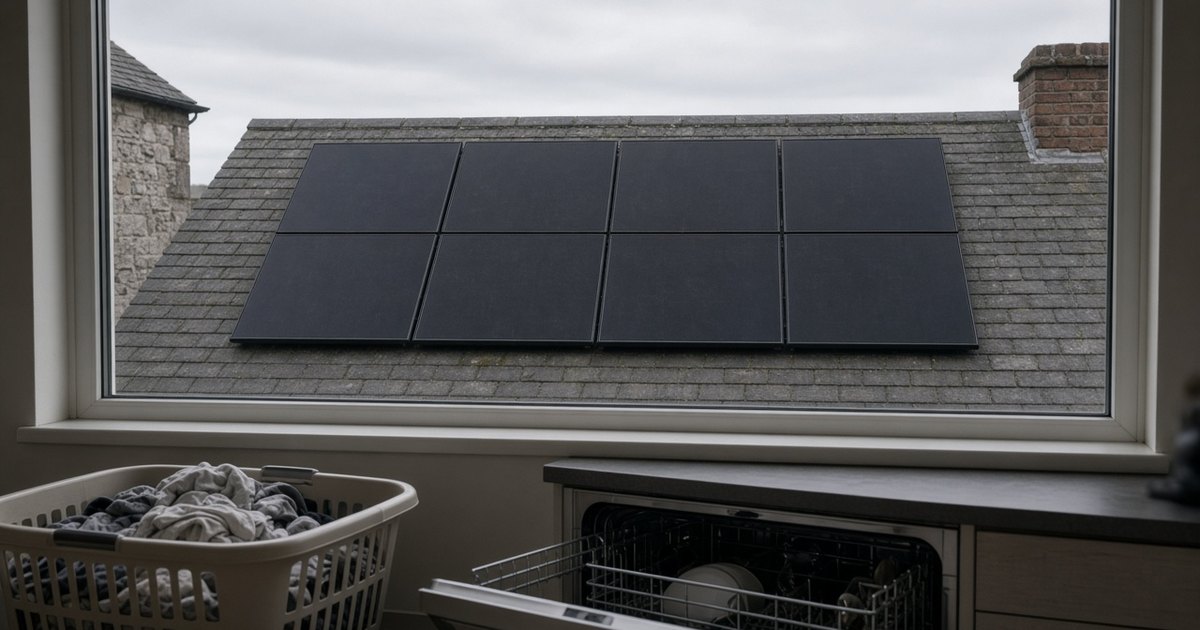
A solar battery does not make the roof produce more power. It stores electricity the panels have already made when the house is not using it, so you can draw on that store once generation falls away. In Scotland the gap between those two times is a normal part of the year. Winter days are short, and a lot of demand sits after the roof has gone quiet. Summer days are longer, and a home that is occupied through the middle of the day may already be using a fair share of what the array produces.
The useful test is whether you have surplus to put away and a later part of the day when you would otherwise buy from the grid. A battery earns its place in that gap. If the house already uses power while the panels are working, the gap is smaller and the case for storage is weaker. Moving a few jobs into daylight is part of the same decision. We have set that out in how to use more of your own solar power, because timing and storage answer one question together.
Who Tends To Need One
You are more likely to want a battery if the house is empty through the hours when the panels are busiest. Work, school, and the commute push cooking, washing, and the television into the evening, which is when a Scottish array has faded, especially from October through to March. An electric car that comes home and plugs in after dark makes that pattern larger. The store does not have to carry every appliance you own. It has to meet the slice you care about after generation has stopped, which for many households is the meal, the lights, and an hour or two of ordinary evening use.
A household with a high evening load and a modest daytime load is the clearest yes. That pattern is common where everyone leaves together and comes back together. The shape of the day decides it. Two houses on the same street can face different answers because one is occupied all day and the other is not. We look at your day before we talk about cabinet size. Storing surplus for the evening is everyday running. Supply during a power cut is a backup gateway, a separate add-on, and we specify it only when you ask for that as well.
Who Can Wait
You can reasonably wait if someone is at home and the larger jobs already run while the roof is generating. Washing, dishes, and a meal that cooks through the middle of the day use solar directly. Less surplus is left to store, and less evening electricity is left for a battery to pick up. In that house the panels may already be doing the useful work, and storage can stay on the list for a later year rather than on the first design. A household with someone home at the kitchen table often sits here, though the annual statement still has to confirm it.
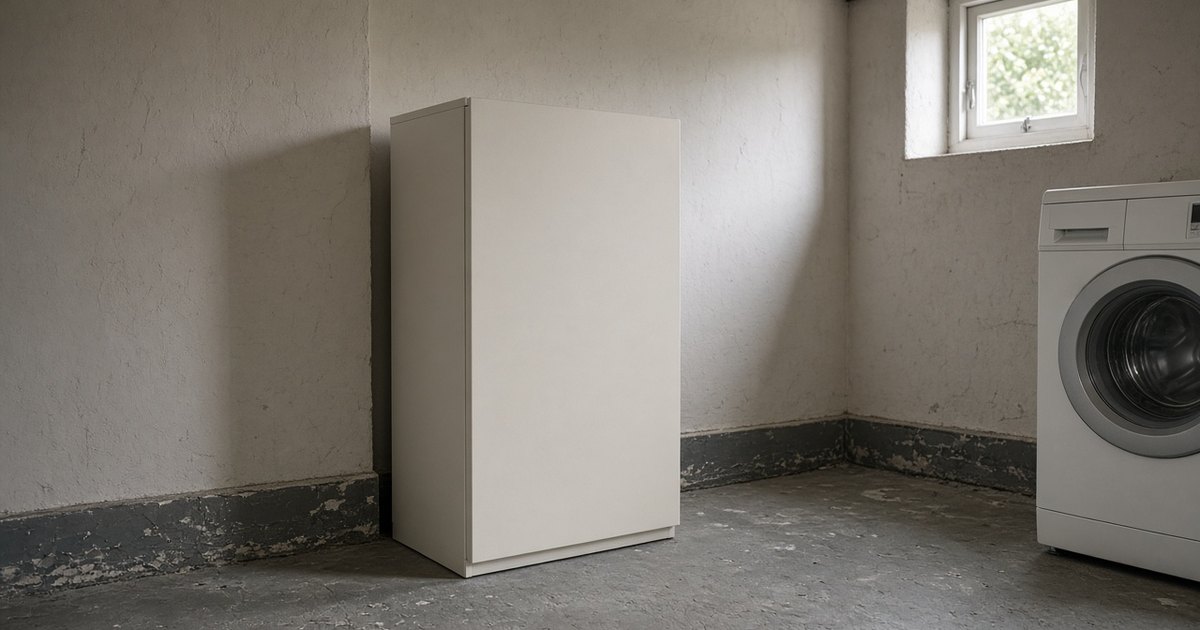
Waiting is a design choice. A battery added later still needs an inverter that can work with it and a sensible place for the cabinet, which is why we mention storage at the survey even when we do not fit one yet. Some of the batteries we install can take another unit later, so a modest start can stay open. The comparison between those products is in which solar battery to get, and it is worth reading once you know you want storage at all. Until then, daytime use is the simpler win.
What Happens To Surplus Without One
Without a battery, surplus leaves the house. The panels keep generating, the home takes what it needs at that moment, and the rest goes out to the grid. You then buy electricity again in the evening in the ordinary way. Export is a normal feature of a grid-tied system. It does a poor job of standing in for power you wanted after dark. On a long June day a house that is empty can send out a large share of a good day's generation, then buy a large share of its evening use back after the evening meal.
This article is the usage decision. How export and evening buying show up on the bill is a different piece of writing, and tariffs move too often for us to guess them here. Read the financial benefits of a solar battery when you want that money angle. What stays fixed is the order of the questions. Ask when you use power. Then ask whether holding the surplus would move it to that time. If the surplus is small and the evening is already light, storage is an extra you can decline with a clear head.
Battery Size Follows Evening Use
Size the battery from the evening, from the power you usually want between the time generation drops and the time the house goes quiet. That is cooking, the television, lighting, the fridge, and any appliance you cannot move earlier. A small, steady evening can sit on a smaller store. A house that also wants a meaningful share of car charging, or a long spell of electric cooking, needs more capacity, or the late evening goes back to the grid. The annual total on your statement matters, and so does the clock time of that use.
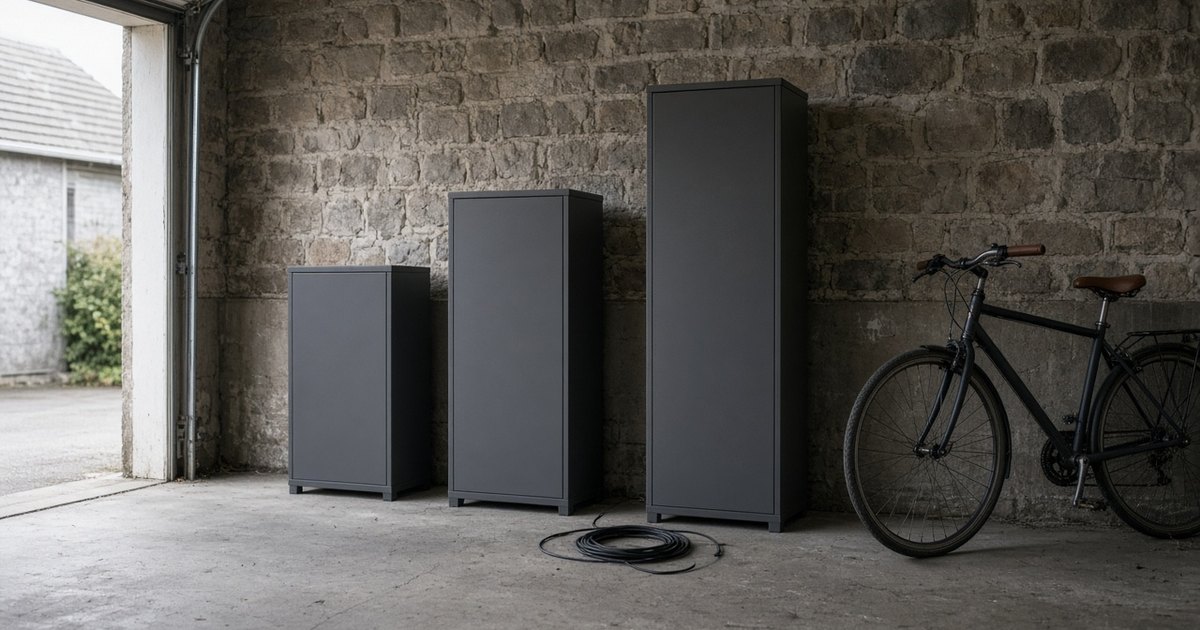
We fit a short list, and we only sketch it here. A Duracell 5 kWh is the smaller option, and you can add units later. A Sigenergy 10 kWh sits in the middle and includes its hybrid inverter. A Tesla Powerwall 3 is the larger all-in-one unit, at 13.5 kWh, with the Tesla app. Which one suits the house is its own choice. Guide prices change, so we keep them on our battery storage page rather than in an article that would go stale. The installed figure still waits for the survey.
Decide From Your Day
Answer it from a normal weekday, then check the weekend, because the two are often different. Note when the kettle, the oven, the washing machine, and any car charging actually run. If those hours overlap with daylight for most of the year, you may be fine without storage for now. If they cluster after you get home, storage is doing a job the panels cannot do once a Scottish evening has drawn in. A week of paying attention, or a year of meter history if you have it, beats a hunch.
Set aside the assumption that every new system must include a battery. Some should. Some can wait. On a survey we put your annual use next to the roof, the shade, and the way the day runs. That is a steadier basis than a neighbour's cabinet or a general claim about what everyone is fitting. If you are out all day, lean towards storage. If you are in, and the big loads already run in daylight, say so, and we will design the panels to that fact. The battery can remain a later decision.
Common Questions
Do I need a solar battery if I am at home all day?
Often you can wait, because daytime use leaves less surplus to store and less evening buying for a battery to offset. The survey can still check that storage remains possible later.
What happens to solar power I do not use if I have no battery?
It is exported to the grid, and you buy electricity again when the house needs power after the panels have stopped. This article stays with that usage question rather than with tariff rates.
Can I add a solar battery after the panels are installed?
Yes, in many cases, if the inverter and the consumer unit can take it and there is a proper place for the cabinet. That is a check on the existing system, not an automatic later purchase.