Why There Is No Single Number
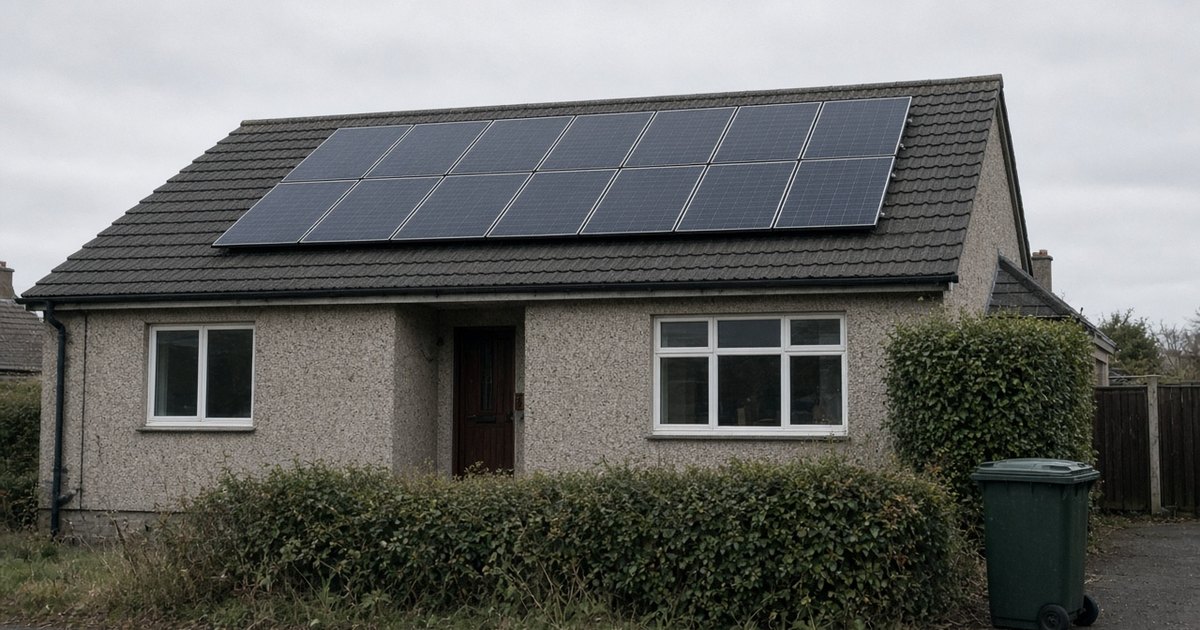
Homeowners often hope for one panel count that fits any Scottish house. A semi in Glasgow, a bungalow in Fife, and a detached house in the Borders can all suit solar, and each one ends up with its own number. Roof shape, shade from trees or a neighbouring gable, and the hours you use power all move the result. On the systems we quote, every panel is 455 watts, and the count runs from 6 to 16.
Treat the count as a fit for the property in front of you. Six panels on a clear roof, paired with a modest daytime load, can be the right design. Sixteen panels make sense when the roof has the space and the household can use the daylight power, or store some of it for later. A neighbour's array shows what their roof and their routine allowed. Your roof, your shade, and your bills are the record we design from.
What 6, 10, And 16 Panels Means
Each panel in these designs is 455 watts, so the count turns into a system size you can compare with another house. Six panels is about 2.7 kW. Ten panels is about 4.6 kW. Sixteen panels is about 7.3 kW. Those markers are the small end, the middle, and the large end of what we usually quote. The final figure is confirmed when the array is designed for the property, which is why we say about. If you want the same choice explained in kilowatts, our guide to what size solar system you need takes that path on its own.
| Panels | About | Where it sits |
|---|---|---|
| 6 | 2.7 kW | Smaller end of the range |
| 10 | 4.6 kW | Middle of the range |
| 16 | 7.3 kW | Larger end of the range |
A higher count means more power is available in the same hour of daylight. The house still has to be ready to use it, or to store it. Panels generate while there is daylight, and December daylight in Scotland is much shorter than a June afternoon. The count sets the ceiling. What sits under that ceiling depends on the kettle, the washing, and the other jobs that can run while the roof is working. The physical size of each panel matters too, and what size solar panels are is worth reading before you settle on a number.
Roof Space Comes Before Ambition
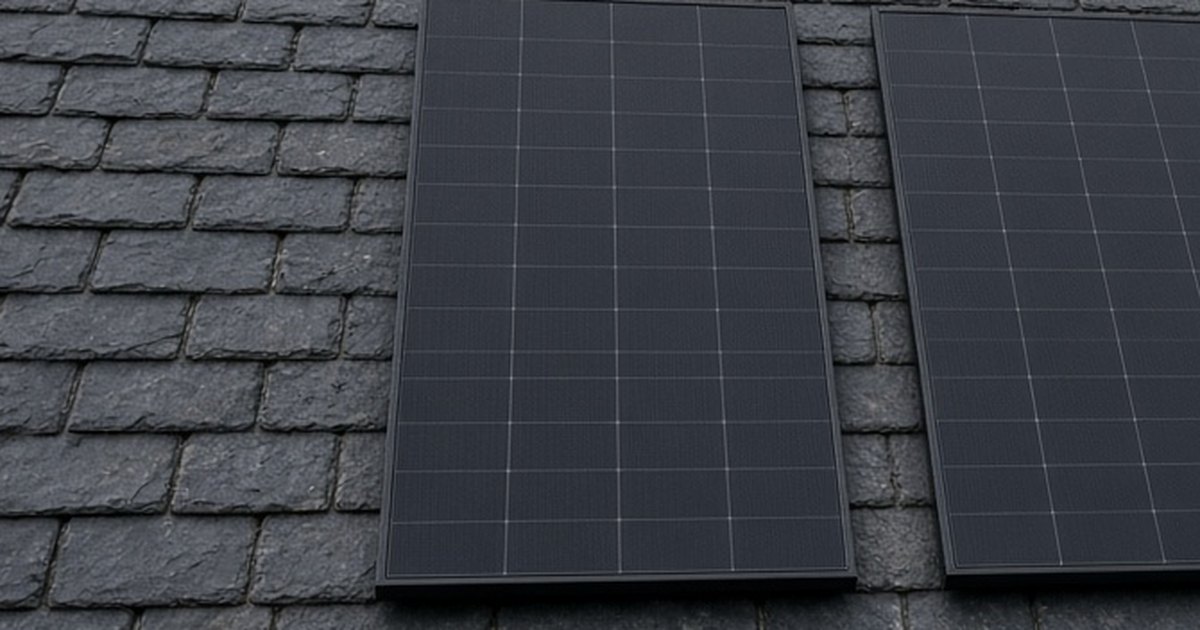
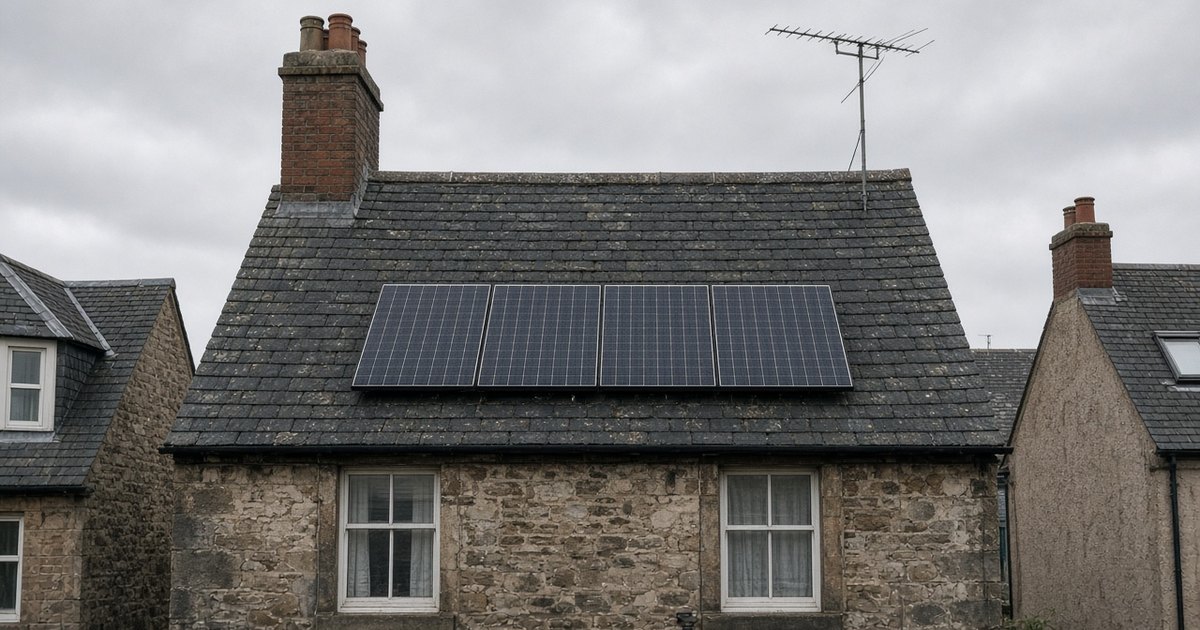
The roof sets the count before ambition does. We need a run of covering where panels can sit in a sensible layout, with room for the edges and the fixings, and with the obstacles left where they are. Chimneys, dormers, roof windows, soil pipes, and a television aerial all take space out of a slope that looked clear from the pavement. A hipped roof offers a shorter rectangle than a simple pitched roof. Slate, tile, and metal are all checked before a layout is agreed.
Shade is the other limit. A tree, a neighbouring gable, or the chimney on your own ridge can put a shadow across a promising patch for part of the day. We leave that patch out when the shadow is serious, even if the gap makes the row look slightly uneven. A south-facing slope is the familiar preference. East-facing and west-facing roofs still carry sensible arrays across Scotland when the space is there and the usage agrees. A north-facing slope needs the most care, and a smaller array on a clearer face of the same house is sometimes the better result.
Match The Count To How You Use Power
Once the roof has a realistic maximum, we bring the count back to the people who live there. The figure we want is your own annual electricity use, taken from a statement, because a national average is a weak stand-in for that page. How much electricity a home uses sets out why two houses with the same number of bedrooms can still need different systems. A household that runs washing, a dishwasher, and a home-working day through the middle of the day can put a larger share of a bigger array to use as it is generated.
A house that stays quiet until evening has another pattern. The panels still generate in daylight. If little is switched on, and nothing is storing the surplus, a good share of a large array leaves the property as export. In that situation, climbing towards the top of the 6 to 16 range does less for you than a clear look at the daytime slice you already have. We look at the annual total and at the shape of the day together. The right number is the one you can use, inside what the roof will hold.
When A Battery Changes The Count
A battery changes the count when it gives surplus a place to wait. Without storage, power you do not use while the panels are generating is exported. With storage, some of that daytime surplus can supply the house after the light has gone. For a household that is out at work, a slightly larger array can then make sense, because the extra generation has a job in the evening. The battery still has to live with the roof you actually have. It cannot open a gap between a dormer and a chimney.
A battery can also show that extra panels are optional. If you are at home through the day and already using a good share of what a modest array produces, there may be little reason to push towards 16 panels so that a battery has more to store. We decide storage with the count, as one design. Some homes are better with both from the start. Some are better with the panels first, and with storage added when the evening pattern is clear. We will say which once we have seen the roof and the way you use power.
Get A Count From A Survey, Not A Guess
A survey is how a count becomes a figure we will stand behind. We visit properties across Scotland, houses and business premises alike. The survey is free and there is no obligation to continue. On a straightforward domestic roof, the install that follows is often two to four working days once the design is agreed. We handle registration with the network operator, and a dedicated project manager stays with the job, so the number on the quote is the number the crew is planning to fit.
That number comes from a short set of checks on the building, in place of a guess made from the pavement or from a neighbour's scaffold. When you want us to start, you can request a quote and we will follow it with the survey. A recent annual electricity statement is the most useful document to have ready. Every line below can move the count.
- Usable roof space, after chimneys, dormers, and roof edges
- Shade from trees, neighbouring buildings, and roof obstacles
- Annual electricity use, and how much of it falls in daylight
- Whether a battery is wanted now or later
Common Questions
How many solar panels does a typical house need?
There is no single count we would apply to every house. We design between 6 and 16 panels of 455 watts, and the survey sets the number from your roof, the shade, and your annual use.
Can a small roof still take solar panels?
A short, clear run can still be a sound design at the lower end of that range. The survey measures the usable space and tells you the count it can hold.
Does a battery mean I should fit more panels?
A battery can make a higher count more useful if you want daytime surplus kept for the evening. The roof still has to have room for those extra panels.