What The Inverter Actually Does
The panels produce power in a form your sockets cannot use directly. The inverter is the box that converts it into electricity the house can run on. Without that conversion, the array is glass on the roof and nothing more. Every solar install needs an inverter. On the systems we fit, a hybrid inverter is included, so a battery can be part of the same design from the start. You are not left to swap the box later if storage becomes the right next step.
You do not need to arrive with a model name from a forum. We size the inverter to the array and to the battery you want. Which solar panels to choose is about wattage, shade, and whether the roof can hold the layout. The inverter follows those panels. If you bring an idea of your annual use, and tell us whether evenings matter, we can do the matching when we are standing at the house.
Hybrid Means It Can Work With A Battery
Hybrid, here, means the inverter can manage the panels and a battery together. It can send panel power to the house, store surplus once a battery is fitted, and draw that battery down in the evening when the roof has stopped. Our solar installs include a hybrid inverter, so storage stays available in the equipment whether you fit a battery on day one or decide later. The house can use the panels either way. The battery is what shifts unused daytime power into the evening.
If you already have panels, the question changes. Some existing systems can take a battery alongside what is there. Others are better served when a hybrid inverter is fitted as part of the battery work. Adding a battery to existing solar panels walks through that check, including on systems we did not install. We look at the consumer unit as well. The inverter has to land on electrics that can accept it, in a place you can reach without emptying a cupboard.
How We Size It To The Array
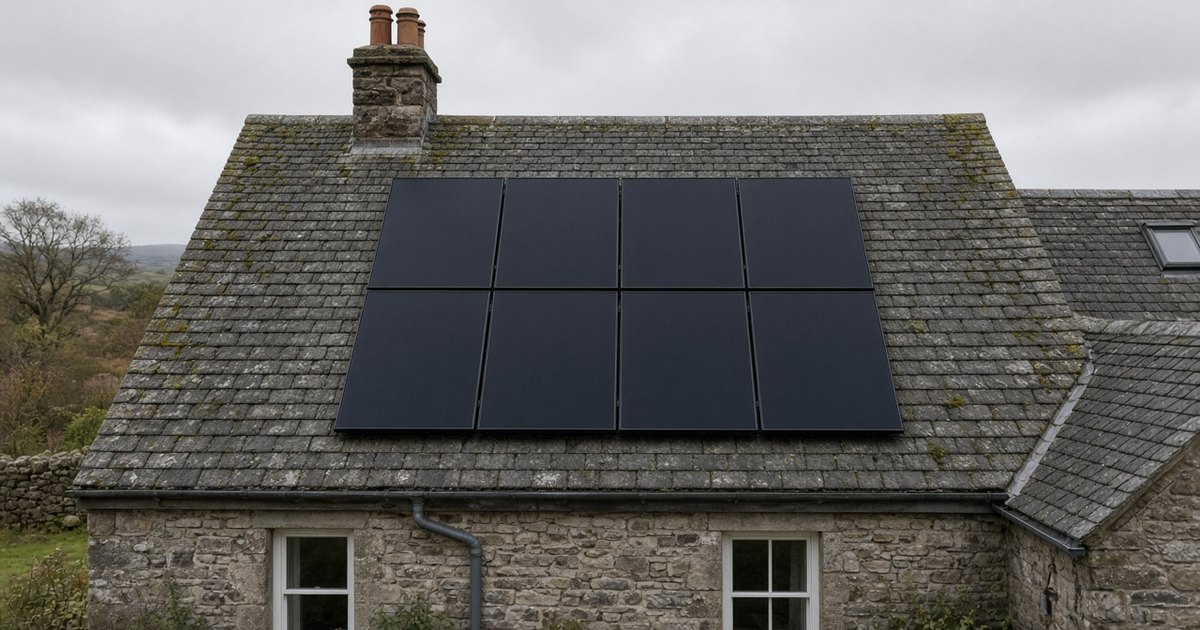
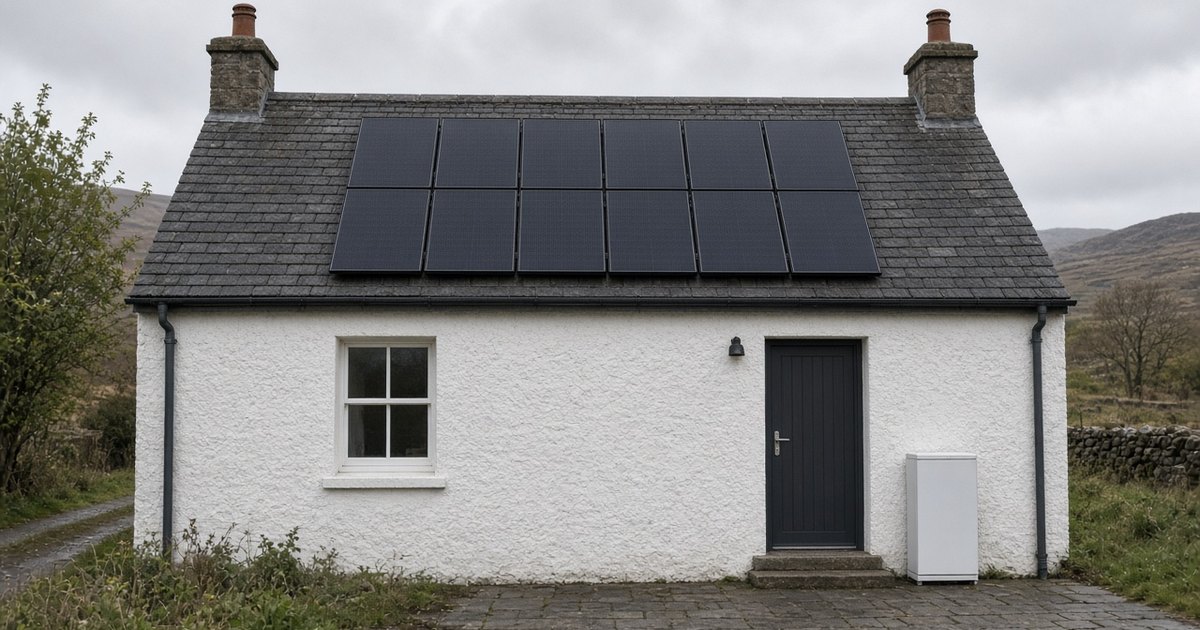
The inverter has to sit comfortably with the power the panels can produce. We design with 455-watt panels, from about six, which is about 2.7 kW, up to about sixteen, which is about 7.3 kW. Ten panels are around 4.6 kW. The survey picks the count the roof can hold, then we match the inverter to that array. An inverter far larger than the panels leaves capacity you will not use. An inverter that is too small can hold the array back on a bright day, which is a poor trade on a Scottish roof that already waits on the weather.
Shade belongs in the same conversation. A chimney across one corner leaves the rest of the roof usable, so the layout and the inverter are planned together. We do that on the roof rather than from a photograph taken in June. You do not need a model number before we visit. You need a sense of your annual use, and a clear idea of whether you want a battery now, later, or you want to wait and see. We bring the equipment choice to the survey.
Sigenergy And Powerwall 3
Battery choice and inverter choice meet in the design. A Sigenergy 10 kWh battery includes its hybrid inverter, so if that is the battery we are fitting, the inverter comes with it. Tesla Powerwall 3 is all-in-one, at 13.5 kWh, so the inverter is built into the unit rather than mounted as a separate box on the wall. Which solar battery to get sets out who each one suits, from a lighter evening to a house that wants one larger cabinet and the Tesla app.
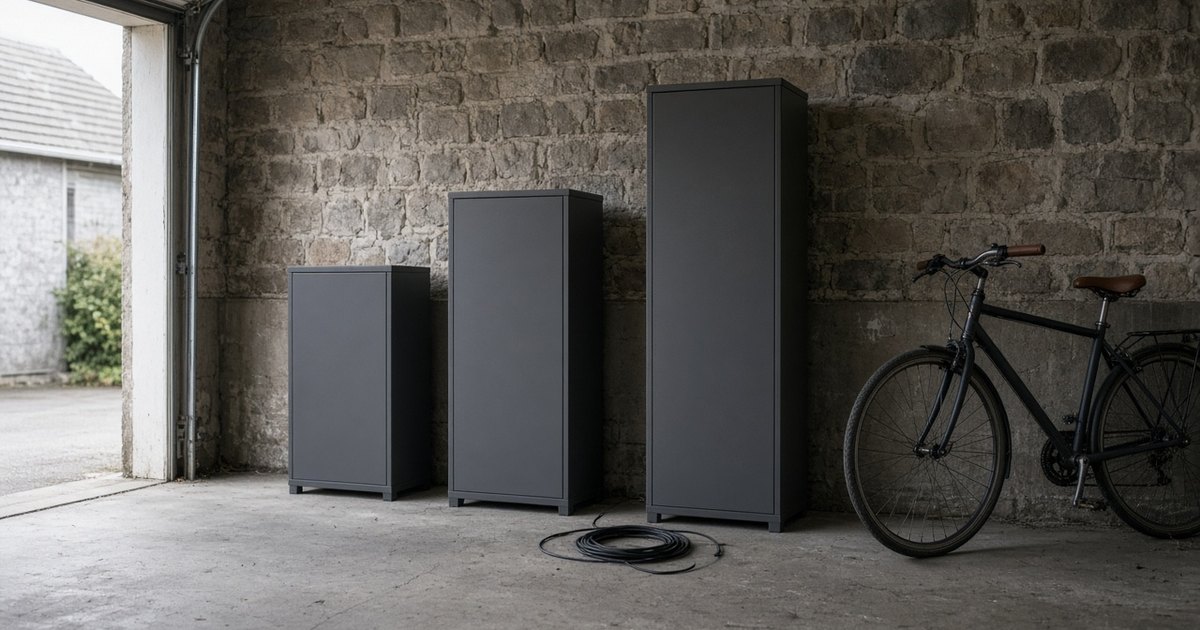
A Duracell 5 kWh battery is the smaller option, and further units can be added later if your evening grows. We match the inverter to that battery when we design the system, against the array and the way you use power. If you want one cabinet and the Tesla app, Powerwall 3 is the all-in-one route. If you want the 10 kWh battery with the hybrid inverter included, that is Sigenergy. The quote follows the survey.
Where It Sits In The House
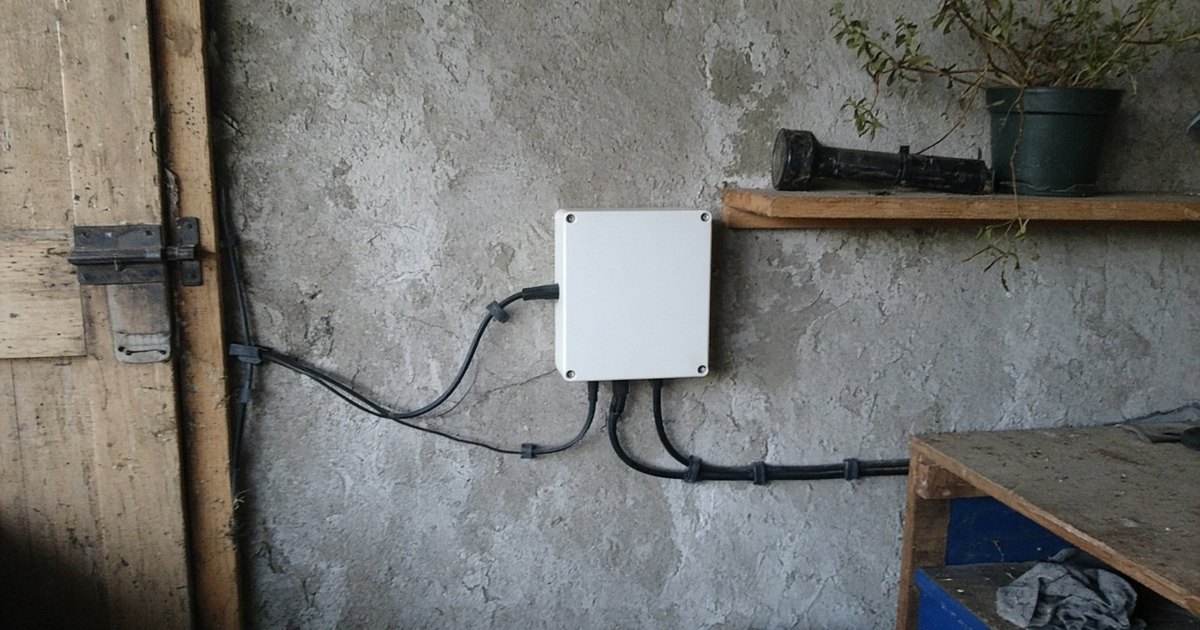
Most inverters live in a garage, a utility room, or a cupboard that stays dry and has a sensible cable route back to the consumer unit. It is a working box. It needs a little airflow, a place you can reach, and a cable run that does not cross a hallway for the sake of a prettier wall. In a Scottish house that often means the garage, if you have one, or the back of the utility if you do not. We agree the spot while we can still see how you use the room.
The battery, where you have one, wants a similar home: solid, suitable for the product, and with enough room that the cables are considered rather than squeezed. Powerwall 3 combines the inverter and the battery, so you are placing one unit. A hybrid inverter beside a Sigenergy or Duracell battery is two pieces of kit and two cable runs we plan on the survey. A typical install takes two to four working days. That time should be spent fitting an agreed layout, not hunting for a wall on the morning we arrive.
What You Can See In The App
App monitoring is included on our installs. You can see what the panels are making, what the house is using, and, where a battery is fitted, whether it is storing power or covering the evening. That is how you learn whether a lunchtime wash lines up with generation, instead of guessing from the cloud. It is also how shade shows up if a tree has grown into the roof since we measured it. The first summer teaches you the shape of your own array better than a brochure can.
The app is a check. The system works without you opening it every day. It helps in the early months, while you learn the year, and it helps if a figure looks odd and you want another pair of eyes on it. Our solar services page sets out what is included on an install, from the hybrid inverter to that monitoring. DNO registration is handled as part of the job, and a project manager keeps the survey, the install, and the paperwork in one thread.
Common Questions
What inverter do I need for solar panels on a typical house?
One that matches the array, and on our installs that is a hybrid inverter so a battery can work with the panels. The survey sets the size to the roof we actually measure.
Does a Tesla Powerwall 3 need a separate inverter?
No. Powerwall 3 is all-in-one, so the inverter is built in, and a Sigenergy 10 kWh battery includes its own hybrid inverter.
Can I add a battery if I already have solar panels and an inverter?
Often, once the existing inverter and the consumer unit have been checked. We do that check on systems we installed and on systems we did not.