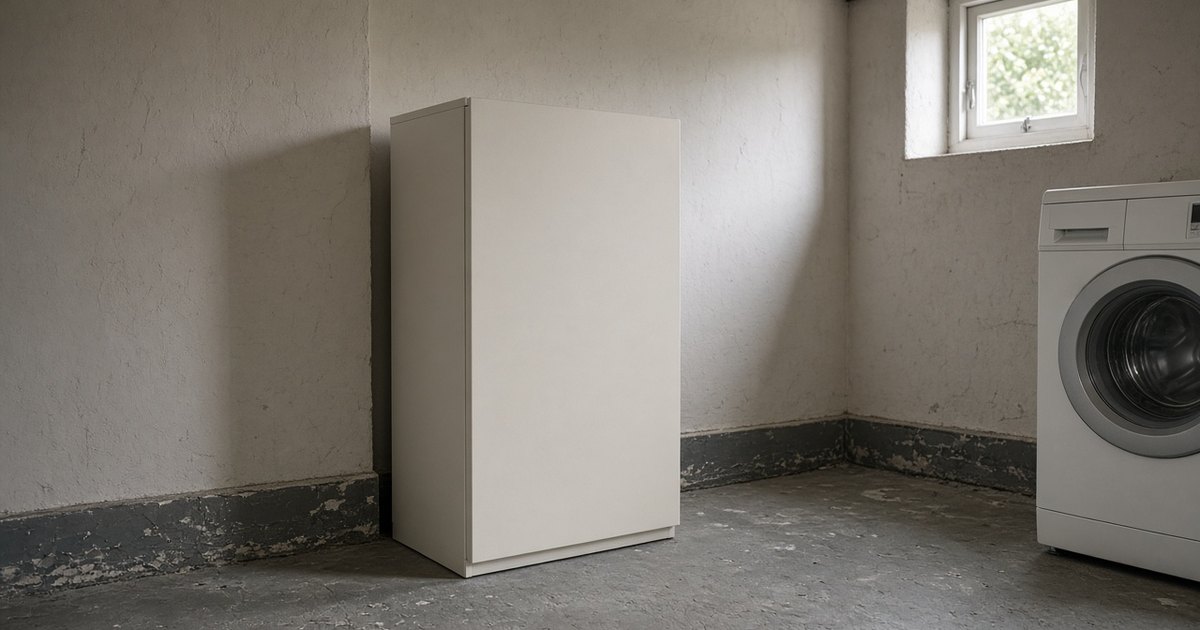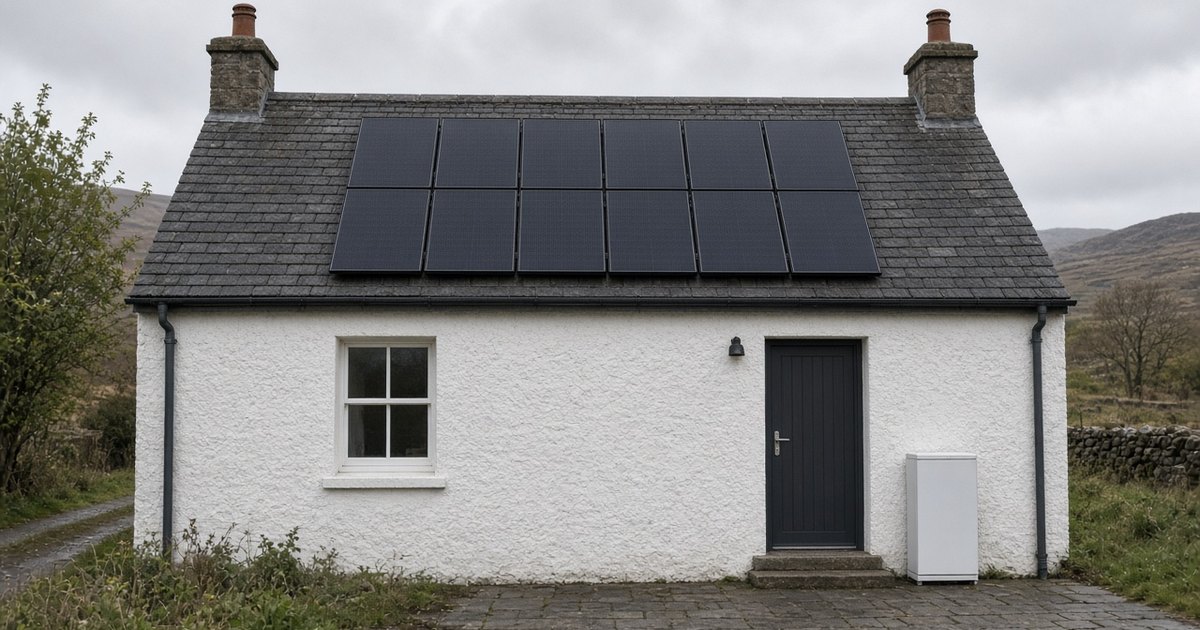
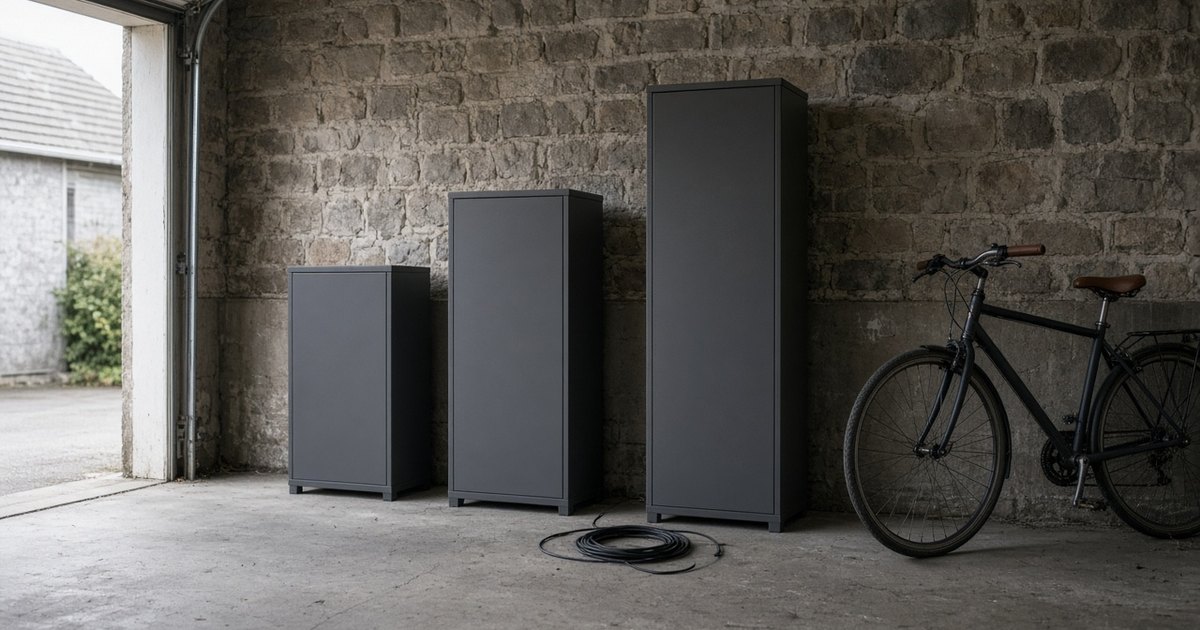
Match Capacity To Evening Use
Start with the evening, with the amount of stored power you are likely to use between late afternoon and bedtime on a normal day. A household that needs lights, a fridge, the television, and a bit of cooking is in a different position from a household that wants a large share of a long evening, and perhaps a car, to come from the store. Scotland's short winter days make that evening slice longer, because generation has often finished before anyone is home. Capacity is the first filter. The badge on the cabinet comes after it.
If you are still unsure you need storage at all, settle whether you need a solar battery before you compare boxes. The notes below assume you do want one, and that you are choosing among the three we fit. A battery also has to sit with the inverter and the consumer unit, which is why the survey still comes before any order. The short list is this.
- Duracell 5 kWh: a smaller store you can add to later, for a modest evening.
- Sigenergy 10 kWh: a mid-size store with the hybrid inverter included, the best-value option on our battery page.
- Tesla Powerwall 3: 13.5 kWh in one cabinet, inverter built in, for a heavier evening.
| Battery | Usable capacity | What it suits |
|---|---|---|
| Duracell | 5 kWh, and you can add another unit later | A modest evening |
| Sigenergy | 10 kWh, hybrid inverter included | A normal evening. Best value on our battery page |
| Tesla Powerwall 3 | 13.5 kWh, inverter built in | A heavier evening, in one cabinet |
Duracell 5 kWh When It Fits
A Duracell 5 kWh fits when the evening load is real and still modest. Think of the base of the house after dark, rather than every appliance on the wall. It is a practical first store for a smaller home, or for a house that already uses a good amount of solar through the day and only needs to shift the remainder. It is the wrong box if you want a long winter evening of heavy cooking and a car to come out of 5 kWh. We would say that on a survey rather than stretch a small store past what it can do.
The useful feature is that you can add another unit later. If the evening grows, a further unit can join the first one, which you keep. That suits a house that wants to start modest and review the decision after a year of real use. On a new solar install our package includes a hybrid inverter, and the survey pairs that inverter with the Duracell 5 kWh so the two are specified together. There is no separate inverter name for you to pick out of a brochure.
Sigenergy 10 kWh And The Hybrid Inverter
A Sigenergy 10 kWh is the middle of the range we fit, and it is the best-value option on our battery page. The hybrid inverter is included, so the battery and the inverter arrive as one design rather than as two guesses placed side by side. For many Scottish homes this capacity meets a normal evening of cooking, lighting, and background load, with something left on a lighter night. It will not swallow a large car and a busy house on the same evening, and it should be described with that limit in view.
Ten kilowatt-hours is a storage figure. It is a poor guide to how much the roof will make. How full the battery gets still depends on the array, the weather, and what the house used during the day. A dull week in December may leave a Sigenergy 10 kWh only partly refilled from a modest roof. That is a reason to size from your usage, and to read how a home battery system fits together, rather than to assume the cabinet is full every afternoon.
Tesla Powerwall 3 When You Want One Unit
A Tesla Powerwall 3 suits a household that wants one cabinet and a larger store. It is 13.5 kWh and all-in-one, so the inverter is built in rather than mounted as a separate hybrid beside it. You see it in the Tesla app. Choose it when the evening is heavy, when you want a single unit, or when that all-in-one layout is the tidy answer on the wall you have. Because the inverter is already inside, the design does not add a second hybrid next to it.
It is the largest of the three we fit. A larger store is the right store only when you will use it. A house with a small evening can leave 13.5 kWh partly idle through a normal week, which means you are carrying capacity you rarely cycle. In that house we would look again at a Duracell 5 kWh or a Sigenergy 10 kWh. A Tesla Powerwall 3 earns its place when the extra capacity has a job between dusk and the time the house goes quiet.
Adding Another Unit Later
Adding another unit later is the Duracell 5 kWh path. You fit one, live with it, and add a further unit if your own record shows the store running out before the evening is over. That is a calmer route than guessing a large cabinet on day one. It also means the first install has to leave physical space, a suitable cable route, and an inverter arrangement that can accept the extra capacity. Those are survey points. They are easy to miss if the first job is drawn tight against a wall.
A Sigenergy 10 kWh and a Tesla Powerwall 3 are chosen as a capacity at the start. We describe the Duracell 5 kWh as the one you grow by adding a unit. If you already have panels, the inverter on the wall today may decide which of the three is even possible. Adding a battery to existing solar is a different job from a new design, and it should be read on its own before you pick a cabinet for an older array.
Prices Come After The Survey
Prices come after the survey because the installed cost is the cabinet plus the work around it. Cable run, where it sits, whether the inverter is included or has to be matched, space in the consumer unit, and any related access all move the figure. Current guide prices for the batteries are on our battery storage page, because those figures change. A guide is a starting point, and the quote is for your walls and your evening.
What you should expect from us is a design that names the battery, the inverter arrangement, and the panel count together. Installation is quoted after we have seen the house. If you are comparing the three on paper, compare capacity and whether the inverter is included, then let the visit turn that into a price. A battery that looks right in a kitchen conversation can be the wrong fit once we see the consumer unit and the run from the inverter.
Common Questions
Which solar battery should I get for a small evening load?
A Duracell 5 kWh is the one we fit for a modest evening, and you can add another unit later if your use grows. A larger cabinet is worth it when you will actually use the extra capacity.
Does the Sigenergy battery include an inverter?
The Sigenergy 10 kWh includes its hybrid inverter, which is why it is the best-value option on our battery page. The survey still confirms it suits the array and the evening.
Is the Tesla Powerwall 3 a separate inverter and battery?
The Tesla Powerwall 3 is an all-in-one unit, at 13.5 kWh, with the inverter built in, and you monitor it in the Tesla app. It suits a heavier evening where you want a single cabinet.