The Empty-House Problem
The awkward part of being out all day is timing. Panels generate in daylight. If everyone leaves after breakfast and comes back after dark, the house is quiet during the hours the roof is busiest. A few things keep running. Most of what the array makes has nowhere to go inside the house, so it is exported. In the evening, when you cook and put the lights on, you buy power in. The panels did their job. The overlap was missing.
A fair answer is often yes, provided something catches the power. A blanket yes would skip that condition. How to use more of your own solar power is the wider habit piece: shifting jobs, a battery, hot water, and a car if it is actually there. This article stays with the weekday absence. If you are home two days a week, you already have more overlap than a household that is out every weekday. Tell us the real pattern. We would rather design for that than for a house we have imagined.
What Still Runs While You Are Out
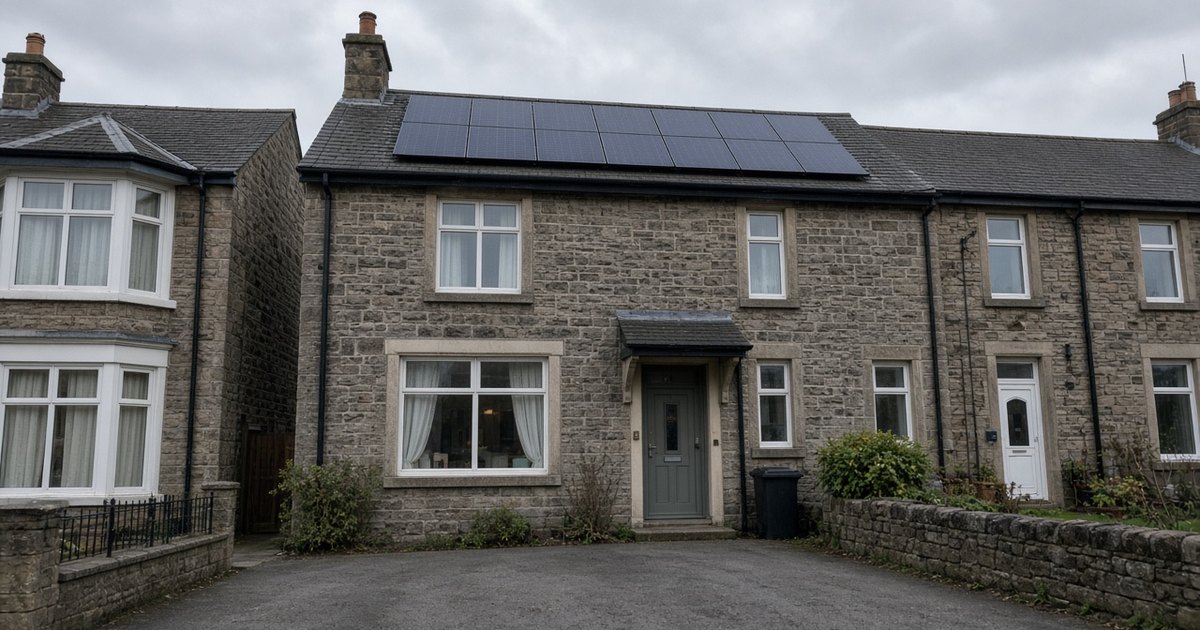
An empty house still uses some electricity. The fridge and freezer run. The router runs. The heating controls, an alarm, standby on the television, a charger left in a socket: together they are a background load. On a bright day that background is usually much smaller than the array. About ten of our 455-watt panels is about 4.6 kW, and around the middle of the day that can dwarf a quiet house. The gap between the background and the array is the surplus you either store, time a job for, or export.
The background still earns its keep. Those units are covered by the panels while you are out, so you are not buying them from the grid. It is a thin reason to skip a battery if your real life happens after six. On the survey we ask what is actually on when the house is locked. A home office left running, or a dehumidifier through a damp Scottish winter, is a different daytime load from a shut-up terrace. We count what is real, and we leave imagined daytime use out of the design.
A Battery Is The Usual Answer
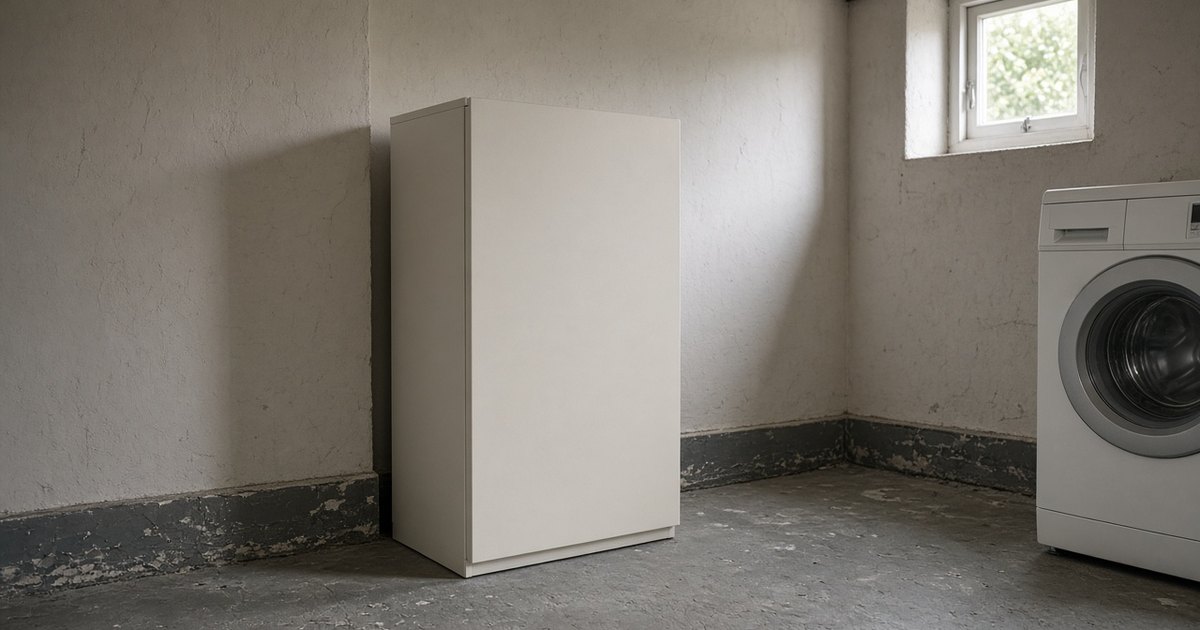
A battery stores surplus through the day and gives it back when you are home. For someone out at work, that is the usual way to have solar power in the evening, when the kettle, the hob, and the washing often run. Whether you need a solar battery is the yes-or-no piece, and for this pattern the answer leans towards yes. A household that is home and using power through the day can sometimes start without one. An empty house through the working week rarely has that overlap.
You can still export without a battery, and you can still cover the small daytime base. People in that position often find the system less satisfying, because the units they notice are the evening ones on the bill. With a battery, you use generation from your own roof after the panels have stopped. The battery does not have to carry every winter evening in full. It has to cover enough of a typical evening that the design makes sense. We size it from that evening, not from a default on a list.
Loads You Can Time For Daytime
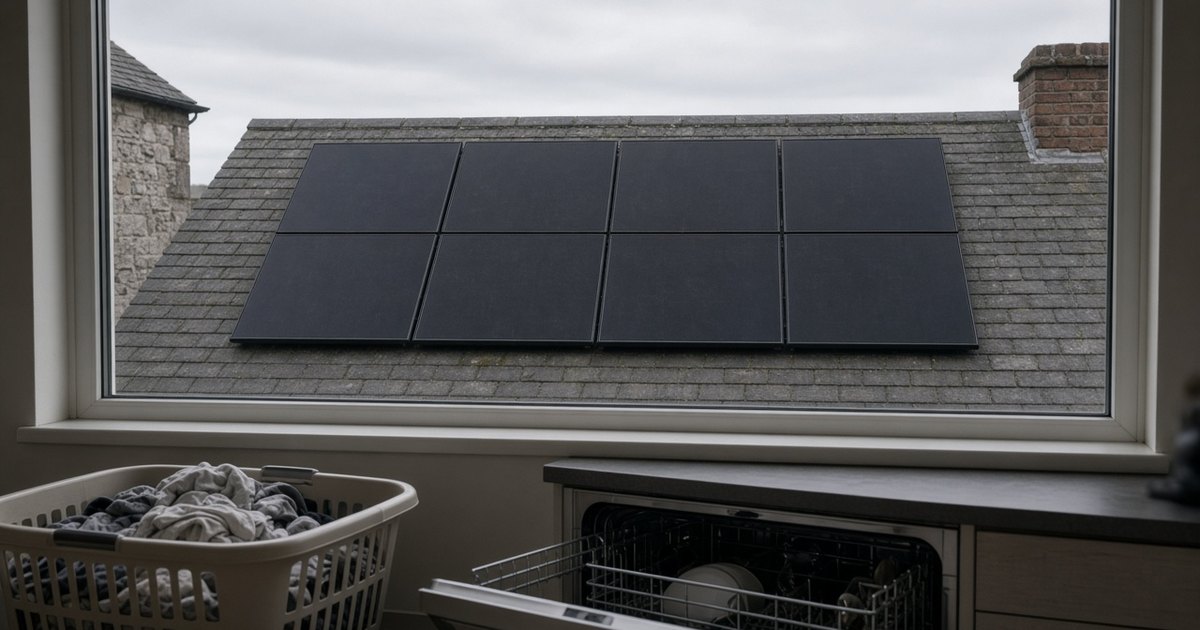
Some jobs do not need you standing there. A washing machine, a dishwasher, and a hot-water boost can be set for late morning, when a Scottish roof is more likely to be generating. A solar diverter can send surplus to the immersion, so the tank heats from the roof rather than from an import later on. Those are real helps. For someone out five days a week they rarely take the place of a battery. They sit beside it, and they use surplus the battery does not need to hold for the evening.
Be honest about the timer you will keep. A routine you drop after a fortnight does not belong in the design. If you will leave the dishwasher to start at eleven, we can count it. If you know you will not, say so and we will leave it out. The car counts only on days it is on the drive in daylight. Most commuter cars left when you did. We leave them out of the daytime picture unless your week says they are actually there.
How Big A Battery For An Evening
Evening use is the sizing clue. Lights, cooking, the television, the washing you did not put on a timer, chargers, and anything else that clusters after work. A Duracell 5 kWh battery suits a lighter evening and can take another unit later. Sigenergy at 10 kWh is the mid-size we fit, and it includes a hybrid inverter. Tesla Powerwall 3 at 13.5 kWh is the larger all-in-one unit. These are capacities we can set against the evening you describe. They are not a guess at the figure on your annual bill.
Ofgem's typical medium home is often quoted around 2,700 kWh of electricity a year, with lower use near 1,800 and higher use near 4,100. Those benchmarks can be revised, and they are not split into day and night for your house. Your annual statement, plus a rough sense of what runs after dark, is what we use. A battery that is small for your evening leaves you buying the rest. A battery far larger than that evening is capacity the roof may not fill. We will say which of those we are looking at before you decide.
It Can Still Be Worth It
Being out all day is a reason to insist on a design that catches the power. Plenty of working households in Scotland end up with a system that earns its place across the year, once a battery and a few honest daytime loads are in the picture, and the array matches the roof. Summer days do more of the work. Winter days do less. Judge the year, including the grey weeks, rather than a single bright Saturday when everyone happened to be home.
Should I get solar in Scotland is the wider question, about weather, the roof, and whether solar fits at all. This page assumes you are past that and stuck on the empty house. If you want the pattern checked against your own statement, you can get a quote and have the figures to hand. We survey with no obligation, we handle DNO registration, and a typical install is two to four working days. If the roof is poor or the usage is tiny, we will say so while there is still nothing on the slates.
Common Questions
Should I get solar panels if I am out all day at work?
Often yes, if a battery or timed loads catch the daytime generation. Without that, much of the power is exported and you buy electricity in the evening.
Will a battery cover the evening if the house is empty all day?
It can cover a useful share of a typical evening when it is sized to that evening. It will not automatically cover every long winter night.
Can solar still help if nobody is home and I do not want a battery?
The small background load in an empty house can be covered by the panels, and the rest is exported. A battery is what moves surplus to the hours you are actually there.