What Homeowners Are Actually Saying
In our 2026 survey, 86% of respondents said solar reduces energy costs, up from 65.9% in 2025. That is the figure we are taking from the research. It does not tell you what your roof will generate. It says that, compared with the previous year, more of the people who answered now connect solar with lower energy costs. The questions, and how we read them, are in our 2026 home solar sentiment survey. If you want the findings rather than a slogan, start there.
The practical reading is modest. Homeowners are treating solar as part of how the house is run. A system that is too small for a busy house, or too large for a quiet one, will show up differently on your own bill. We would rather talk about the annual statement on your kitchen table. The equipment has moved on. The decision is still local: your roof, your daylight, and the shape of your day.
Panels Now Do More In The Same Space
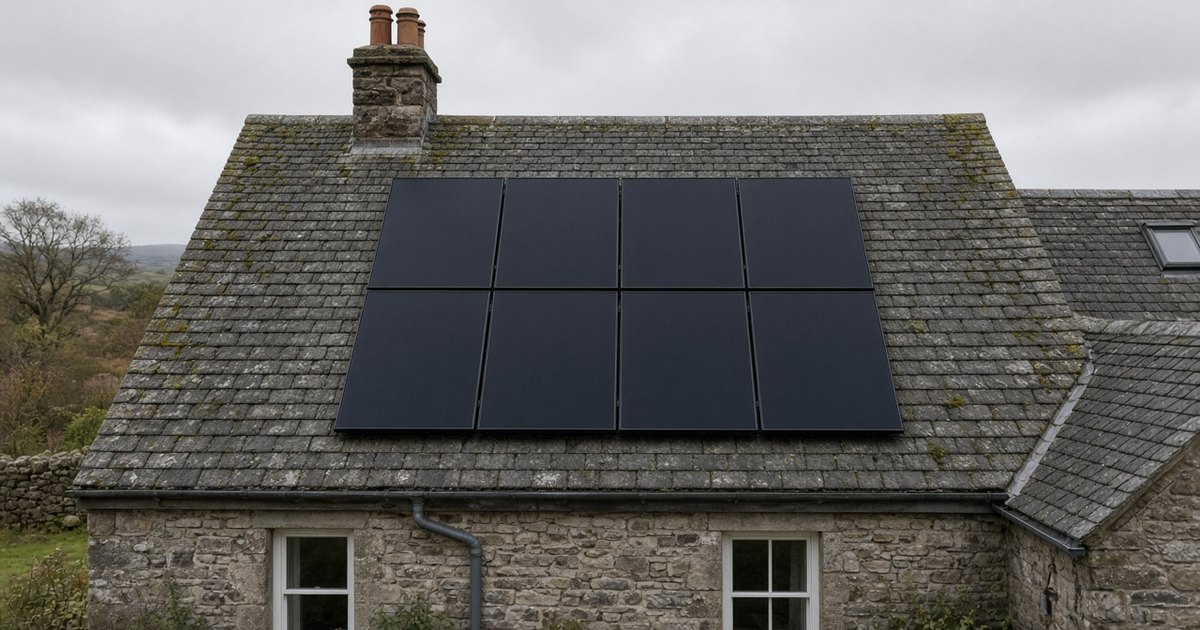
We design with 455-watt panels. Older roofs were often fitted with lower-watt panels, so a similar stretch of roof now holds more power than it did a few years ago. The choice that matters is wattage, how the roof copes with shade, and whether the layout fits between the chimneys. Which solar panels to choose stays with those points and leaves the brochure language behind.
A modern panel is still a large rectangle. A panel in this watt class is usually a bit taller than an internal door and about a metre wide. Exact fit is a survey job, because dormers, ridges, and the way a Scottish roof is built all change the count. Six panels is about 2.7 kW, ten is about 4.6 kW, and sixteen is about 7.3 kW. Those are the ends and the middle of the range we usually design. Treat those as approximate, because the roof and the inverter decide what is actually installed.
Batteries Have Become Part Of The Design
On a survey we now ask about a battery as part of the design, then leave it out if your day does not need one. If you are home and using power while the panels generate, you may start without storage. If the house is empty until evening, a battery is often what makes the array useful after dark. Which solar battery to get matches capacity to that evening. Your own routine is a better guide than whatever happens to be talked about that month.
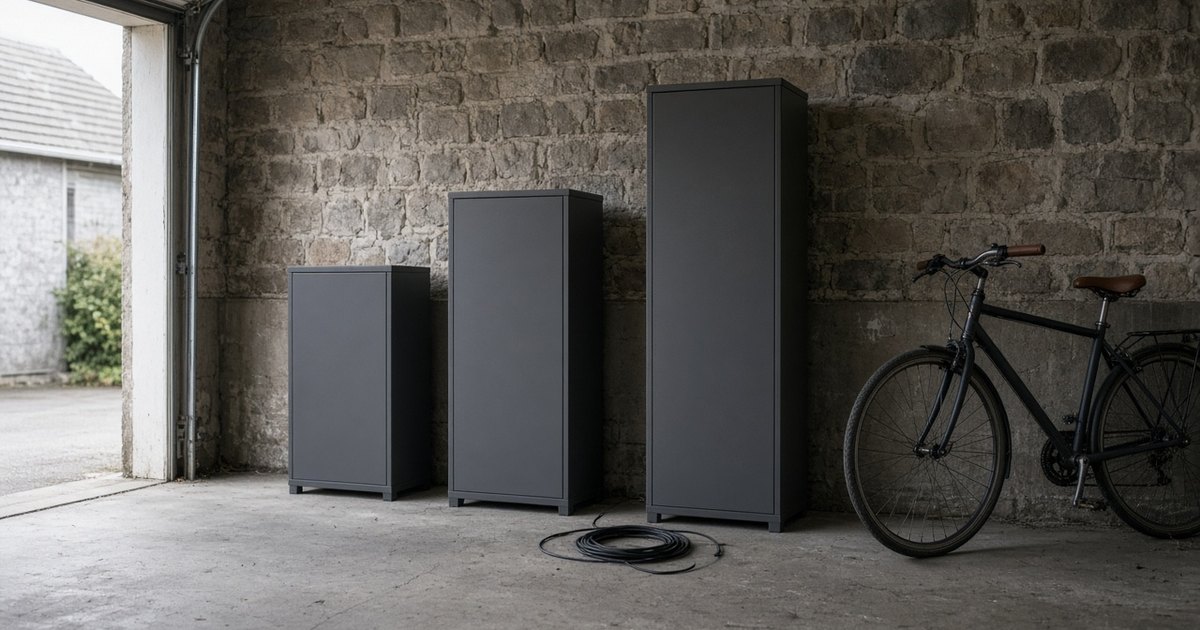
The three we fit are easy to tell apart. Duracell at 5 kWh can be scaled by adding units later. Sigenergy at 10 kWh includes a hybrid inverter and is shown as the best-value option on our battery page. Tesla Powerwall 3 is 13.5 kWh and all-in-one, and it uses the Tesla app. Guide prices stay off this article. The installed figure is quoted after a survey, once we know the roof, the consumer unit, and whether storage is doing real work in your evening.
Scotland Has Not Changed Its Weather
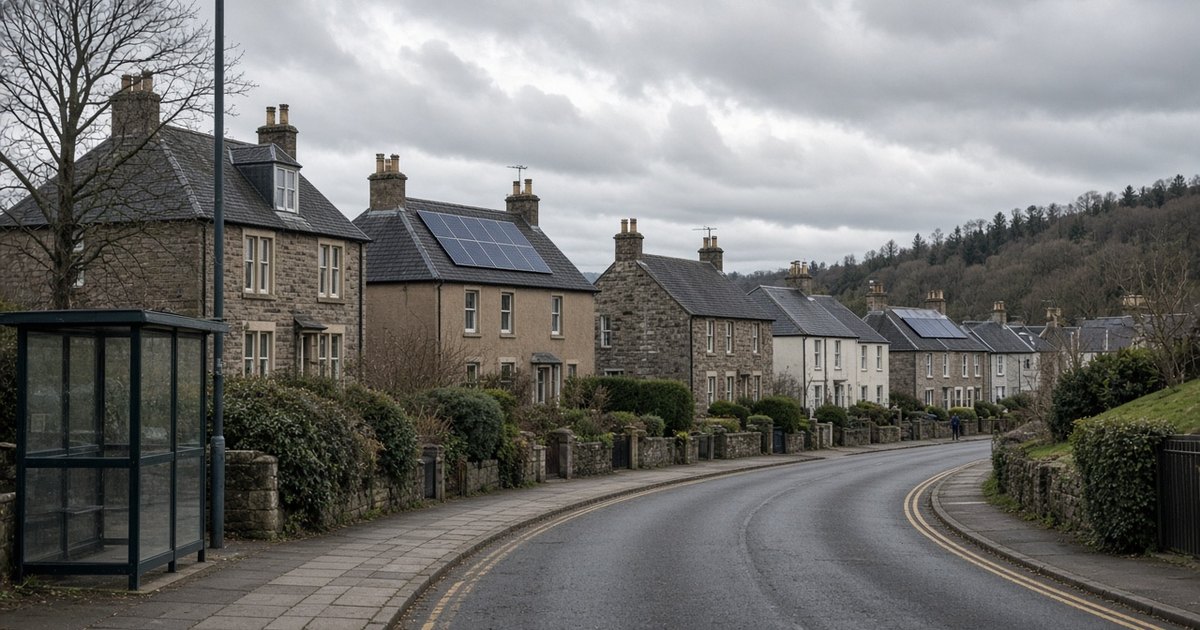
Scotland still runs on daylight. Heat is not what makes the panels work. A long summer day can carry a large share of the year's generation. A short winter day does less, and cloud, shade, and the direction of the roof still matter. Higher-watt panels make more from the daylight they receive. They do not lengthen a December afternoon. The 2026 equipment is better at using the light that arrives. It does not invent light that was never there.
We design for the year, not for a bright week in May. Summer carries more of the generation. Winter evenings are when a battery earns its place, because the panels have finished and the house has not. If you compare a Scottish roof with one further south, the gap is real, and it is a reason to size from your own use and your own shade. A survey reads the trees, the chimney, and the pitch on your house. A postcode on its own does not.
Usage Still Decides The System
Two houses on the same street can need different systems. One may heat water with an immersion, run the washing most days, and have someone home at lunchtime. The next may be quiet until after six. The number that matters is on your own annual statement. A national average is a backdrop you can glance at. It is a poor substitute for the figure printed on your bill, which already includes the way your household actually lives.
A larger array on a low-use house mostly exports once the daytime load is covered, unless a battery or a timed appliance catches the surplus. A smaller array on a high-use house can still be the right call when the roof is modest. We would rather fit the system you can use. Our solar services page sets out how an install is scoped, from the survey to the kit on the roof, for homes across Scotland.
What We Would Look At On Your House
On a survey we measure the usable roof, note shade from chimneys, dormers, and trees, and read your annual use if you have the statement to hand. We ask when the house is busy, whether a car needs charging, and whether you want supply during a power cut. A backup gateway is the add-on for that last question. A solar diverter can send surplus to hot water. Neither is fitted automatically. Each one answers a habit you actually have, and we leave it off the design when you do not.
You get a dedicated project manager, and we handle DNO registration. A typical install takes two to four working days. App monitoring is included, so you can see what the roof is doing through the year. If you already have panels and want a second look before you change anything, a health-check is a calmer first step than buying more kit. The useful question is still how this house uses power, and what the roof can honestly hold.
Common Questions
What is happening to home solar in 2026 for a normal Scottish house?
Panels in the class we design with put more power on a given roof than older, lower-watt arrays, and a battery is now a normal design question. Your usage and the roof still decide the system.
Are home batteries fitted on every new solar install?
A battery is a standard part of the design conversation, and it is left out when your day does not need one. Houses that use power in the evening usually have more use for storage than houses that use it through the day.
Does Scottish weather stop home solar being useful in 2026?
Panels still generate from daylight, with more output across the long summer days and less in winter. A higher-watt panel does not change the length of a December day.