Self-Use Beats Exporting The Lot
How do I use more of my own solar power? Keep it in the house. A unit used while the panels are generating, or later from a battery, is a unit you do not have to buy back from the grid. A unit that leaves as export has gone out at that moment, and the evening may bring you back as a customer. We will not quote export rates here. They change, and they are a weak lever compared with using the power yourself. Self-use is mostly timing and, where the timing cannot move, storage.
That holds on a Scottish roof through the year. The generating day is long in June and short in December, so the overlap with your habits changes with the season. A routine that soaks up a summer afternoon can still export in winter, simply because the roof stops earlier. The habits below still help, and they come before any conversation about covering more of the roof. A bigger array is a later question, once you know where today's power is going.
Shift The Jobs That Can Move
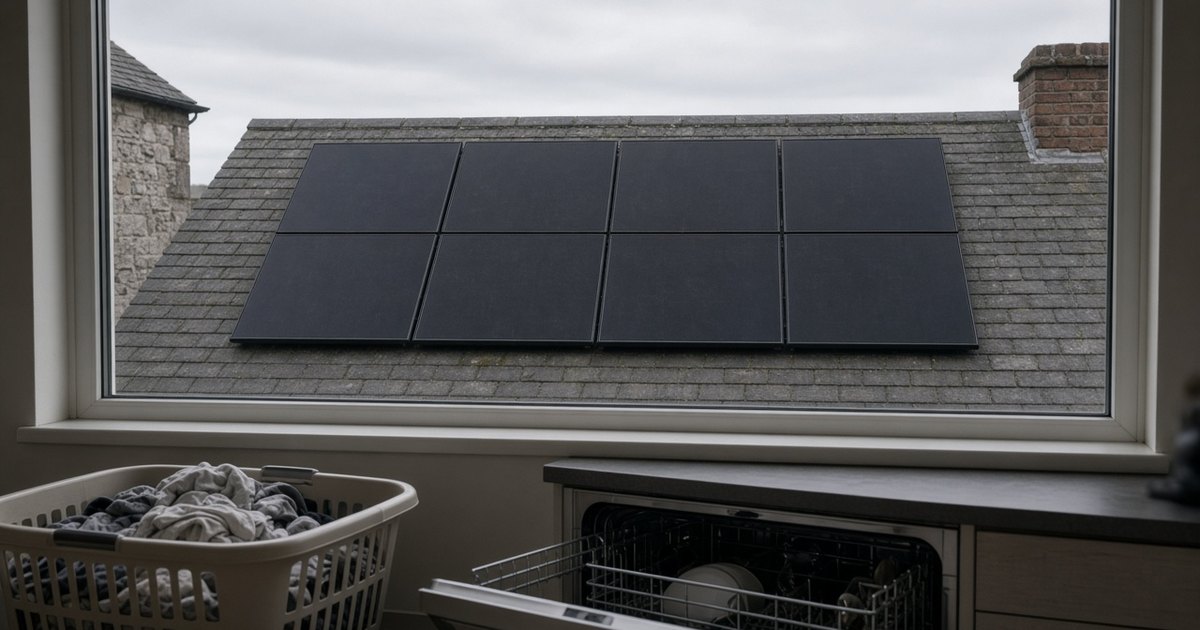
Shift the jobs that can move. Washing machines, dishwashers, and tumble dryers are the usual ones, because they draw a lump of power and they are content to run at noon if the clothes and the dishes are ready when you need them. A delay timer, or a start while you are making lunch, puts that lump under the panels. Charging phones and laptops, running a slow cooker, and doing the ironing in daylight sit in the same group. You are matching demand to generation for an hour or two, which often lifts self-use with no new hardware.
This is harder when the house is empty. A timer can still run the washing. It does nothing for a meal you want to eat when you get home. If everyone is out while the roof is at its best, the empty-house problem is its own question, and we have covered it in solar panels if you are out all day. A household that can press the button at lunchtime has a simpler path, and should use it before buying more equipment.
A Battery Covers The Evening
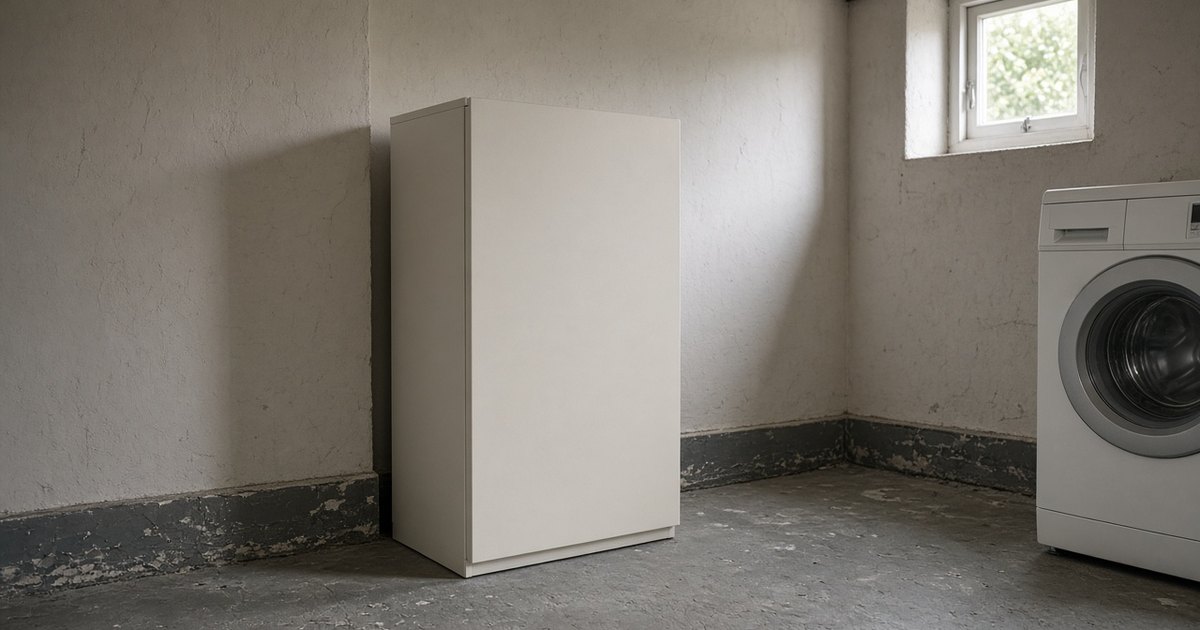
A battery covers the evening, which is the part you usually cannot shift. Cooking, lighting, the television, and the fridge carry on after generation has fallen. The store takes surplus from earlier and hands it back then. Daytime habits can be excellent and the evening can still sit on the grid, because the roof has stopped. Storage is what joins those two parts of the day. In Scotland, from autumn into early spring, that join matters more, because the generating window closes while the evening is still ahead of you.
You do not need a battery to move the washing, and a battery has little to store in a house that already uses everything the roof makes. The decision is the one in do I need a solar battery. Fit storage when the evening gap is large. Wait when the daytime habits already soak up the array. If you do fit one, the capacity should follow that evening gap. A cabinet chosen because it looked substantial on a page can sit half unused, while a smaller one, filled and emptied most days, does the job you actually have.
Hot Water And A Solar Diverter
Hot water is a sensible home for surplus that remains after the house and, if you have one, the battery. A solar diverter watches what would have been exported and sends that surplus to the immersion heater, so the cylinder heats from your own power. It is an add-on we can include with a system. It earns its place when there is surplus left. Heating a tank you were going to heat anyway, from the roof, is useful. Heating extra water for the sake of the graph is not the aim.
A diverter suits a house with a cylinder and an immersion heater. It does less for a home that heats water only as it is used, with no tank to hold the heat. We look at the cylinder, the immersion, and the surplus you are likely to have across the year before we add one. Put the steps in order. Move the loads you can move. Store what you will use in the evening. Then send what is still left into hot water. That order keeps the diverter as a user of leftovers, which is what it is good at.
The Car If You Have Surplus
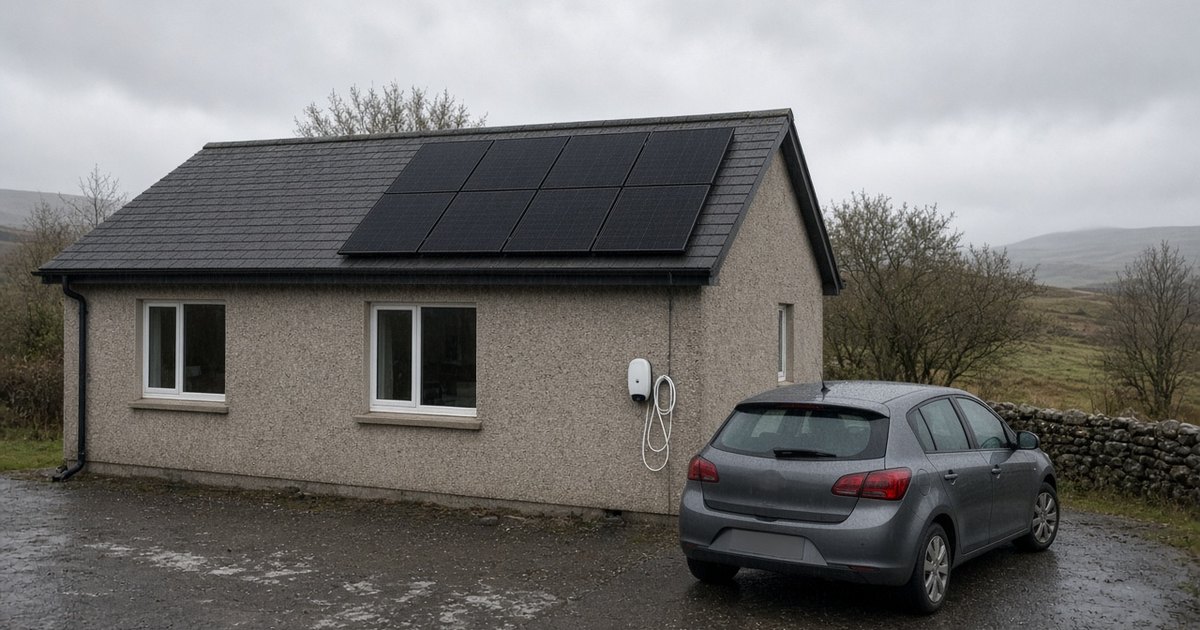
The car, if you have one that plugs in, should take surplus after the house is already covered. A smart charger can be set to favour that surplus, so the car charges when the panels are ahead of the home. Daytime charging, while the car is there, uses the roof directly and can be one of the larger daytime loads you have. A large car battery filled every evening from a small array will draw from the grid, and it can empty a home battery you wanted for cooking.
Charge the car from solar when surplus remains. When there is no surplus, the car is another evening load, and it should be treated as one. We have set out charging an electric car with solar panels on its own, including what has to be on the system. Keep the car as a user of leftover power. The kettle, the lights, and the evening meal come first. Miles are welcome when the roof has already looked after the house.
Small Habits Before A Bigger Array
Small habits are worth doing before you ask for a bigger array. Use the delay timer for a fortnight and see if the basket of clean washing changes your export. Glance at the monitoring app through a normal week so you can see the hours when power leaves the house. Move one regular job into that window. If you still export a lot, then a battery, a diverter, or a car on surplus is the next conversation. More panels help when you can use or store the extra. They add little if the new generation leaves by the same path as the old.
If you want that looked at as one design, our solar services cover the array, the battery, the diverter, and the charger together, rather than as four separate purchases that never quite meet. The survey starts from your annual statement and a normal week of use. That keeps the answer tied to your house in Scotland. Filling the roof is a result we reach when the use is there. It is a poor place to start.
Common Questions
How do I use more of my own solar power without adding panels?
Run the jobs that can move, such as washing and dishwashing, while the roof is generating, and store the evening in a battery if you are out in the day. Leftover surplus can heat a hot-water cylinder or charge a car.
Will a solar diverter heat my water from surplus?
It can, where you have a cylinder and an immersion heater, and only when the house would otherwise export. It suits leftover power, after the loads you need have been met.
Should my electric car charge whenever the panels are on?
Charge it when the house is covered and surplus remains. A car that charges regardless can draw from the grid or empty a home battery you wanted for the evening.